
Best time to visit Northern Argentina, what to pack and how to avoid altitude sickness
Weather by season in Salta, Jujuy and Tucumán, the ideal packing list and tips for high altitude.
Northern Argentina weather by season
- Autumn (March to May): for many, the best time. Still-green landscapes, mild days and little rain.
- Winter (June to August): dry and sunny, with pleasant days and very cold nights. July is high season due to school holidays.
- Spring (September to November): warm and dry, windy at altitude. A good time with fewer crowds.
- Summer (December to February): rainy season. Very green landscapes, but some roads may close. Carnival is in February or March.
So when is the best time?
For good weather and open roads, March to November. To experience the Quebrada Carnival, February. For fewer crowds, avoid July and long weekends, or book well ahead.
What to pack
- Layers: t-shirt, sweater and a warm jacket. The temperature swing between day and night is large.
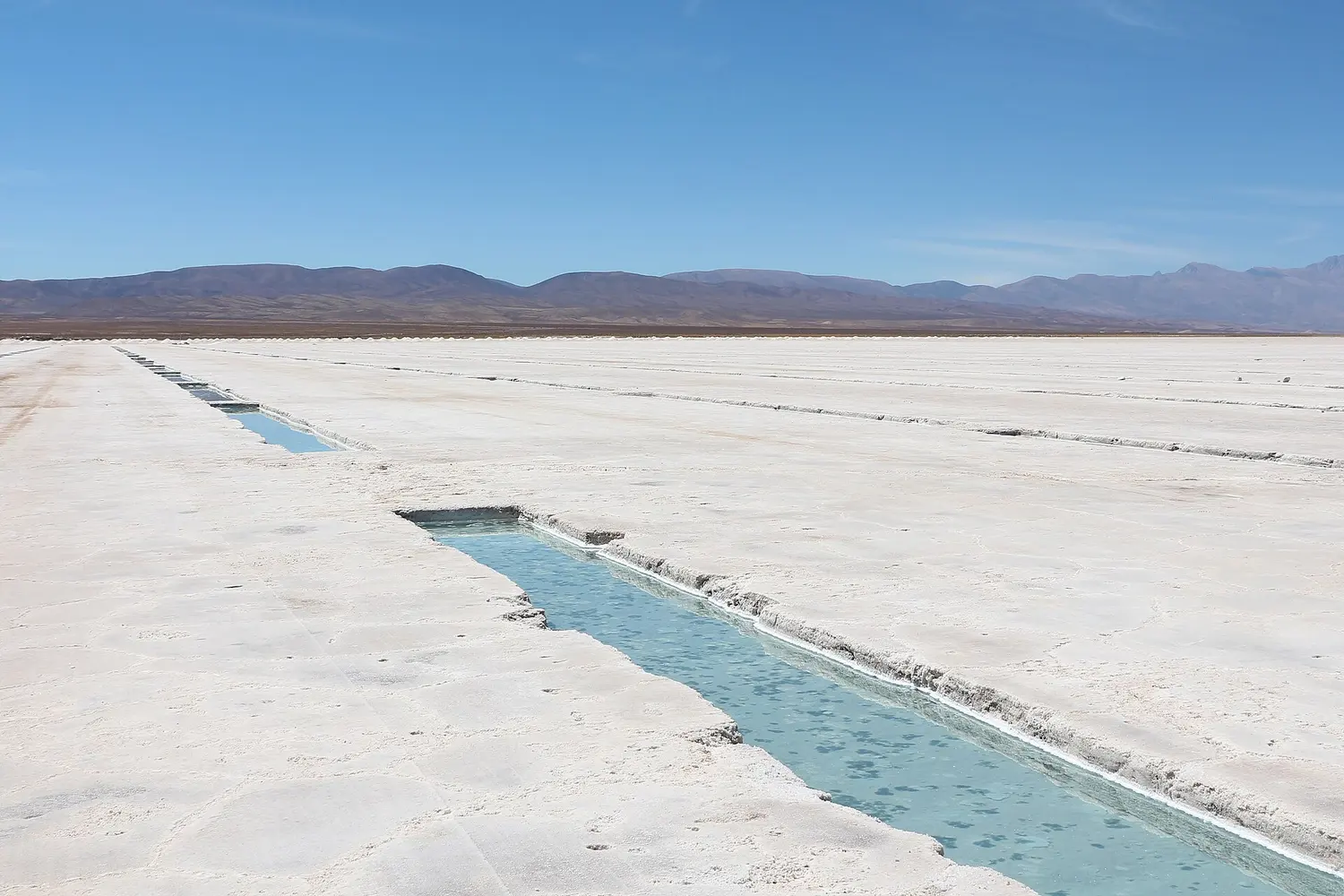
- Hat, gloves and scarf for the Puna and the salt flats, even in summer.
- High-SPF sunscreen, sunglasses and a cap: the sun at altitude is very strong.
- Comfortable walking shoes, and hiking shoes with good grip if you plan to trek.
- A reusable water bottle.
- Cash: many villages have no ATMs or they don't work.
- In summer, a rain jacket or windbreaker.
What altitude sickness is and how to prevent it
Altitude sickness (called apunamiento or soroche locally) appears above 2,500 m because there's less oxygen. Common symptoms are headache, fatigue, dizziness, nausea and trouble sleeping.
- Go up gradually: if you can, spend a night at a middle altitude before going above 3,500 m.
- Drink plenty of water and eat light.
- Avoid alcohol and heavy exertion in the first days.
- Coca tea or coca leaves are a local custom that relieves many travelers.
- If you have heart or breathing conditions, see your doctor before the trip.
- If symptoms are severe, go down to a lower altitude and seek medical care.
Altitudes to keep in mind
- Salta city: about 1,150 m.
- Cafayate: about 1,680 m.
- Tilcara: about 2,460 m. Purmamarca: about 2,300 m.
- Cachi and Humahuaca: between 2,300 and 3,000 m.
- Salinas Grandes: above 3,400 m. Cuesta de Lipán: 4,170 m.
- Hornocal viewpoint: about 4,350 m.
Frequently asked questions
›What's the best month to visit Salta and Jujuy?
April, May, September and October usually combine good weather, good roads and fewer people than July.
›Does it rain a lot in Northern Argentina?
Rain is concentrated between December and March. The rest of the year is mostly dry.
›What should I wear in Jujuy in winter?
A warm jacket, layers, hat and gloves: mornings and nights are very cold, though the midday sun is warm.
›At what altitude does altitude sickness start?
It's usually felt above 2,500 m and is more common above 3,000 m, as at Salinas Grandes or the Hornocal.
Tours in Northern Argentina
Compare prices, schedules and real reviews from local agencies.
See and compare tours